
Interested in our initiative? Submit your email to receive an invite to the alive collective.


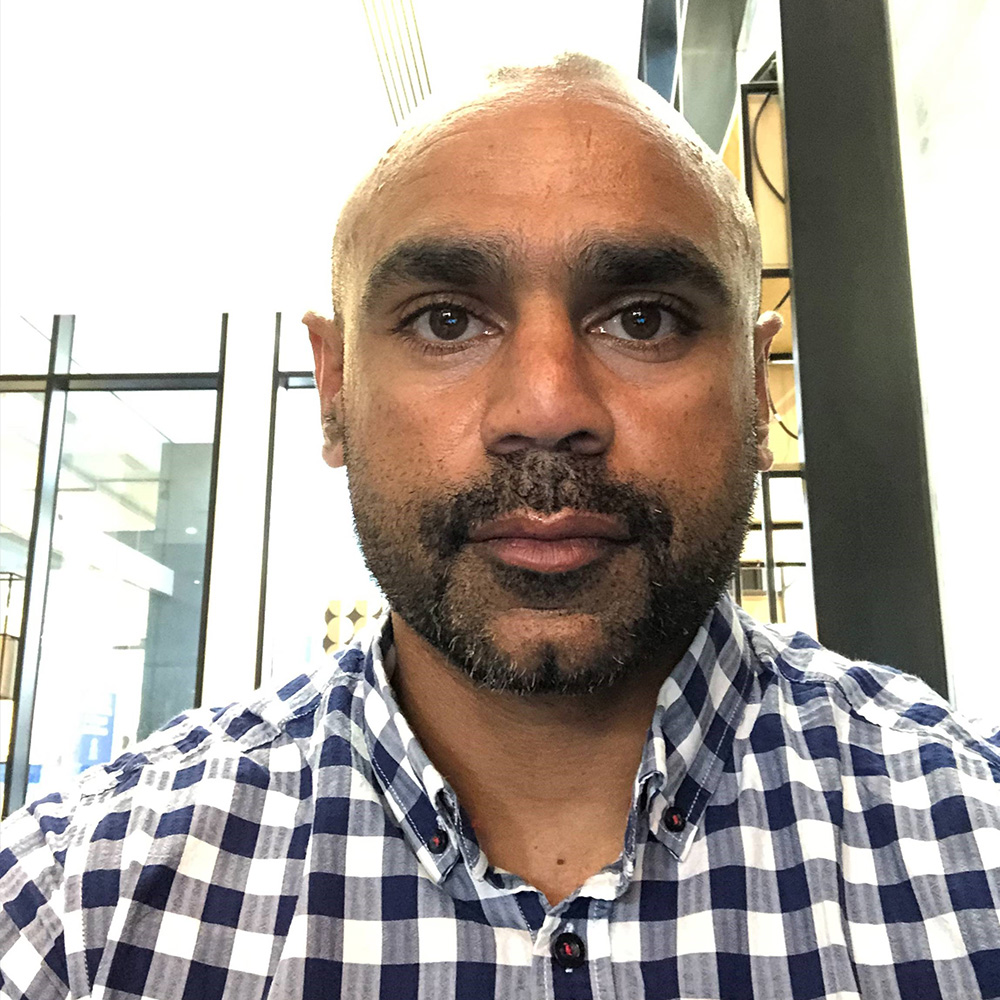
Bigaagarri is a cultural protocol from the Gumbaynggirr community designed by Muruwori Gumbayngirr Aboriginal Co-Design Lead Phillip Orcher. The protocol relates to identifying warnings about the environmental signals and threats to wellbeing which is the basis of a purposefully designed, interactive and immersive process and practice that centres what matters most to that person, community or organisation. The cultural protocol was published in 2025 and you can read it here. Bigaagarri can be used as a gathering approach with individuals and communities for health and wellbeing planning, and to identify preventive strategies locally for whole of community responses, or as a holistic health conversation process with individuals and groups across settings. The video shares Bigaagarri as delivered on Country (designed for use by Aboriginal and/or Torres Strait Islander health workers specifically), Bigaagarri can be conducted online (everyone), or using paper (everyone) or on Country (Indigenous).
The PEACE platform is co-designed with Indigenous Knowledge Systems, Indigenous Standpoint Theory, Lived-Experience and Narrative Theory and Practice at its heart in collaboration with colleagues at the University of Queensland and Westworks Digital. Data sovereignty principles are designed into the platform, process and practices and ethics approvals are in process to support use as a gathering and holistic health conversation tool.
The Bigaagarri method is Aboriginal designed, and delivers new public health and prevention knowledge collaboratively with lived-experience, humanities, primary health care, public health, arts and First Nations researchers. The method provides a framework for holistic health conversations and planning that can be adapted locally.
The PEACE program uses creative, experiential, arts and cultural evidence to address impacts of trauma, colonisation, violence and social disconnection. Implementation of the platform and Bigaagarri method will lead to prevention of downstream ill-health for people and communities, and healing oriented outcomes. The PEACE program is now expanding the platform and developing a holistic measurement framework to address current gaps in trauma-violence informed measures which are led by people with lived-experience and to identify the implementation strategies and plans for primary care and community settings.
The research was funded by a Medical Research Future Fund (MRFF) Consumer-Led Research grant to co-create a Preventive Experiential, Arts, Cultural Evidence (PEACE) platform for implementation at-scale in primary care and community settings (2023-2026, MRF 2016093).
We extend deep gratitude and respect to the Gumbaynggirr knowledge holders and community for sharing the cultural concept of Bigaagarri and acknowledge that all communities will have a different and localised language and signal for Bigaagarri.
The MRFF research project funded team are:
| CIA | Prof Victoria Palmer – University of Melbourne |
| CI | Phillip Orcher (Muruwori | Gumbaynggirr) – University of Melbourne |
| CI | Prof Michelle Banfield – Australian National University |
| CI | Prof Kelsey Hegarty – University of Melbourne |
| CI | Prof Sandra Eades (Noongar) – University of Melbourne |
| CI | Dr Oliver Black (Anaiwan) – Australian National University |
| CI | Dr Katie Lamb – University of Melbourne |
| CI | Dr Jennifer Bibb – University of Melbourne |
| CI | Prof Jill Bennett – University of New South Wales |
| CI | Elise Dettmann – University of Melbourne |
| AI | Dr Caroline Tjung – External |
| AI | Prof James Smith – Flinders University |
| AI | Noemi Tari-Keresztes – Flinders University |
| AI | Rebecca Moran – University of New South Wales |
| AI | Maggie Bell – University of Melbourne |
| AI | Ilona – University of Melbourne |
| Partners | National Association of Aboriginal and Torres Strait Islander Health Workforce Practitioners, Northern Territory Lived Experience Network and Ngaanyatjarra Pitjantjatjara Yankunytjatjara (NPY) Women’s Council. |