Interested in our initiative? Submit your email to receive an invite to the alive collective.


When the call for the Special Initiative in Mental Health funding was released by the National Health and Medical Research Council in 2020, we asked co-designers to share what was important to them using an email dialogue approach. We asked co-designers to share:“[It would be important to me…] that research was current, and covered a wide range of sources. Ease of access, accessible both online and within the Centre itself. A welcoming atmosphere, especially if the Centre is going to be open to the general public. Also, disability accessibility that has involved input from those living with disability.”
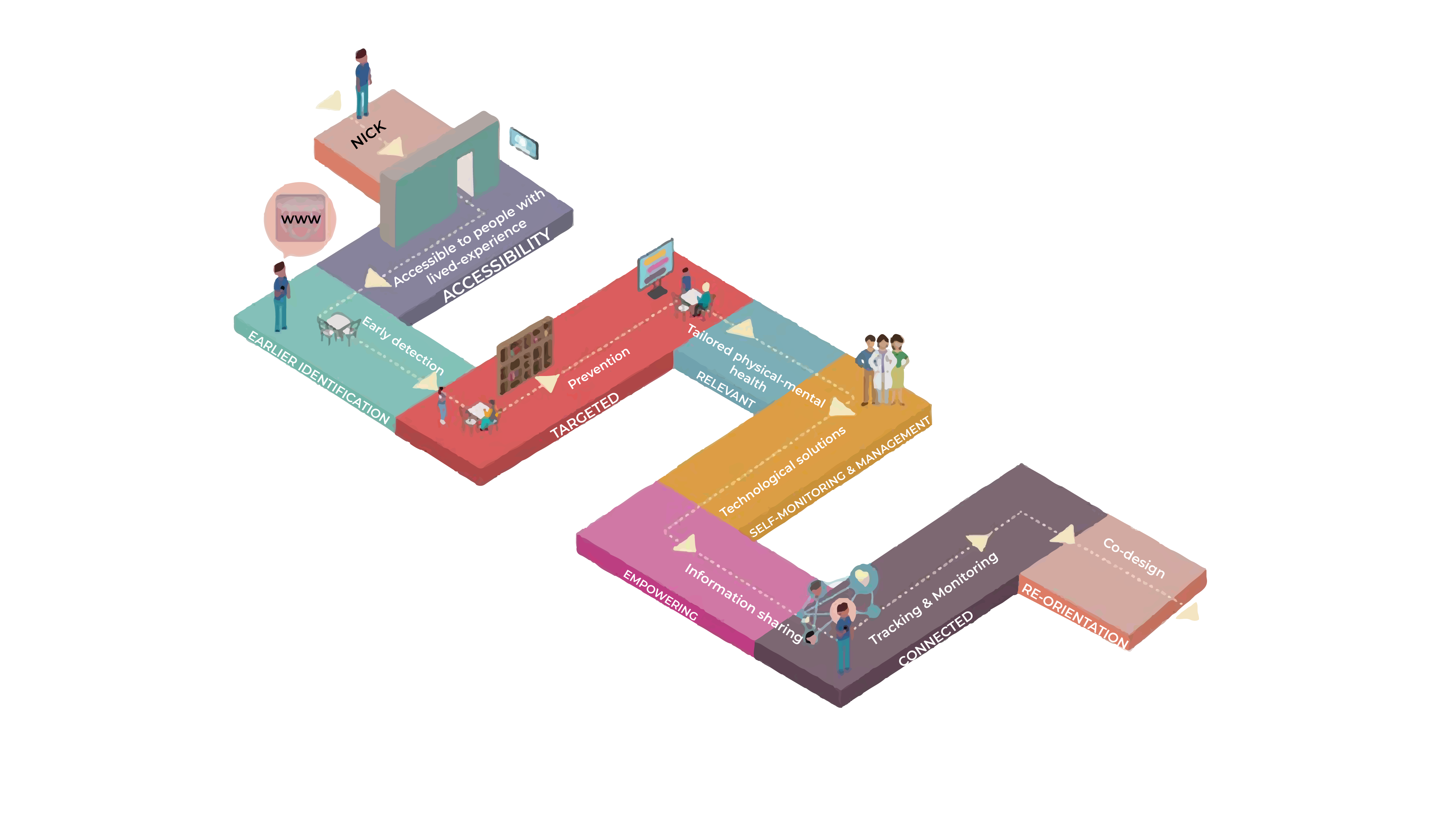
“Research should be connected to mental health service delivery. It should be accessible for people with lived-experience and those who support them and help in raising awareness of mental health, assist with removing stigma and provide education. The Centre should use a holistic approach to mental health research. Research that looks into effectiveness of current treatments for specific mental health conditions (not just focused on one condition) and the effectiveness of institutional supports both for individual supports and group supports. It should be a Centre that provides lived experience involvement and the opportunity for engagement empowerment and a Centre that has a focus on mental health and chronic illness and the association between mental health and physical health. The Centre should foster interest in what the current research is in the field and communicate this to a wider group and include research that covers a wide range of topics. The Centre should advocate for more appropriate funding to carry out relevant research and provide more carer supports and education around mental health. A Centre that is multidisciplinary not just psychiatry and psychology but also involves alternative and complementary health professionals and that the Centre’s work can influence government and public policy. Research into heredity and genetic links in mental health issues and predisposition could be a focus and research that is thorough and interesting to read and publications of results in simple terms. Focus on suicide prevention.The different elements identified for each question were also explored within co-design ideation sessions with 27 co-designers. From the combined results of the priority setting and ideation, Victoria Palmer and Amy Coe, co-created the journey through the Centre conceptual design. This conceptual design showed the prominent areas for research activities to focus on and included (not shown in this current diagram) the experiential ideals for lived-experience members within the Centre in terms of engaging in the Co-Design Living Labs Network and accessing training and products that have co-produced together. Some of those co-designers were subsequently named on the National Centre proposal that was submitted to the National Health and Medical Research Council as the co-design leads for the proposed network and you can read about them in the About Us sections of the Co-Design Living Labs Network pages.