On Knowledge, Migration, and the Quiet Work of Translation
Interested in our initiative? Submit your email to receive an invite to the alive collective.
Menu
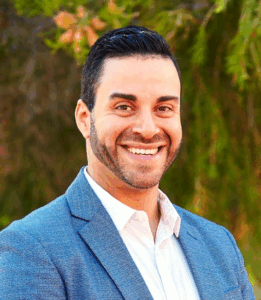
Written by Michael Elwan – Lived Experience Solutions (LEXs)
This new series is written from lived experience. It includes personal reflections on illness, loss, and caregiving. Please read Michael Elwan’s writer-in-residence series with awareness and care.
The first time I stood at a conference podium, I noticed something that unsettled me.
People were writing down what I was saying.
Rows of notebooks opened. Laptop screens glowed softly in the dim light of the room. Pens moved across pages with a seriousness that made me pause mid-sentence.
For a moment I lost the thread of what I was saying.
Not because I did not know what came next.
Because I recognised the knowledge leaving my mouth.
I had lived with it for most of my life.
Long before conferences or qualifications, I had learned certain things about human suffering. Not from textbooks, but from proximity. From watching illness quietly rearrange the rhythms of a household. From discovering, slowly, that responsibility sometimes arrives before adulthood does.
Certain memories carry that knowledge more clearly than others.
One evening in Alexandria returns often.
The last light of the day filtered through wooden shutters. The faint smell of the sea drifted through the open window. Somewhere below, a street vendor called out his goods in a voice that echoed through the narrow street.
My father sat in the living room listening.
Blindness had already narrowed the visible world around him. Much of what happened in the house reached him through sound; footsteps crossing the hallway, a kettle being filled, a chair shifting slightly across the floor.
The evening unfolded through small, familiar rituals.
Caregiving rarely announced itself as something extraordinary. It was simply the shape of daily life.
Guiding someone gently through a doorway. Reading a letter aloud. Learning to notice the small shifts in tone that suggested fatigue or sadness had entered the room without being spoken.
No one called this knowledge.
It was simply what the day required.
Some lessons only reveal their meaning later.
Grief deepened that early education.
My mother carried her suffering quietly for many years. In our home pain was rarely explained; it lived beside us, shaping the atmosphere of ordinary days.
Grief has its own language, though it is rarely spoken directly. It appears in pauses, in the quiet adjustments families make around an absence, in the careful way people learn to continue with life while carrying something that has quietly altered the ground beneath them.
Years later, migration added another layer to this education.
When you arrive in a new country, meanings do not travel intact. They arrive with you, but they no longer organise the world in quite the same way.
Gestures that once signalled respect may pass unnoticed. Silences that once carried grief may appear empty to others. Even the language of care shifts its shape.
You learn (sometimes awkwardly at first) that knowledge must be translated.
Not only language.
Meaning.
You begin explaining things you once assumed everyone understood. Family duty. Quiet endurance. The way illness can reorganise the moral architecture of a household. The way grief becomes a private language shared between people who have lived through the same fracture.
Some meanings resist translation. Others survive only in fragments.
Over time you develop a particular kind of attentiveness. You listen closely to how people speak about suffering; what they name, what they leave unsaid, what becomes visible only when the room grows quiet.
Migration, in this sense, becomes an education in interpretation.
Later came study.
Psychology offered a vocabulary for the mind. Social work provided a framework for care. Mental health training introduced diagnostic language and institutional logic. Leadership studies revealed another layer again; how systems move, how authority gathers, how decisions travel through organisations.
Each qualification added language.
Each discipline offered a way of explaining things I had already witnessed.
Yet something else gradually became clear.
Knowledge does not become visible simply because it exists.
It becomes visible when it becomes legible.
Professional spaces are organised around this quiet requirement. Experience must be structured. Observations must be framed. Insights must be translated into forms that can move through conferences, reports and policy discussions.
Without shared language, collaboration would be impossible.
Yet translation always changes the shape of what it carries.
Stories become case histories.
Suffering becomes data.
Human lives become patterns that can be analysed.
The translation allows systems to function.
But it also leaves something behind.
Standing at that podium, I realised the room was not hearing the whole story.
They were hearing the translated version.
The language of theory and practice made the ideas intelligible. It allowed them to move easily through the room.
But beneath those words lived another education; the earlier one, formed in caregiving, grief, migration and the long discipline of learning how to remain steady in the presence of suffering.
That knowledge had existed long before the microphone.
What had changed was not the knowledge.
It was the room.
Over time I began to notice how often this happens.
For those who move between cultures, professions and histories, translation becomes a daily practice. You learn to move between languages that do not share the same assumptions. You carry insights that feel obvious in one world and almost invisible in another.
Sometimes education helps bridge that distance.
Degrees, titles and leadership positions make certain forms of knowledge easier for institutions to recognise.
But recognition is not the same as origin.
The knowledge itself was formed elsewhere.
This realisation can feel quietly disorienting.
The room begins to listen. Invitations arrive to speak, to advise, to participate in conversations about systems and change.
And occasionally a small question appears beneath the recognition.
Where was this listening earlier?
Not as a complaint.
More as a quiet curiosity about how authority is organised.
Institutions tend to trust knowledge when it arrives through familiar forms. Credentials act as passports; they allow certain ideas to cross borders that lived experience alone cannot always cross.
Education, in this sense, does not create knowledge.
It allows it to travel.
Caregiving formed the earliest lessons.
Grief deepened them.
Migration complicated them.
Education gave them language.
Frontline work tested them.
Leadership simply placed them where others could hear.
And yet, when the conference ends and the room slowly empties, my thoughts often drift back to the earlier places where this knowledge first took shape.
A small apartment where illness quietly organised the rhythm of each day.
Conversations spoken in lowered voices between family members who had learned not to disturb the fragile balance of a household carrying too much.
The long, ordinary discipline of caring for someone whose world had narrowed.
Those places rarely appear in conference programs.
They do not sit easily inside policy frameworks or keynote presentations.
Yet they remain the first rooms where many of us learn how to recognise suffering, and how to remain present beside it.
Long before the microphone.
Long before the room began to listen.
About the writer



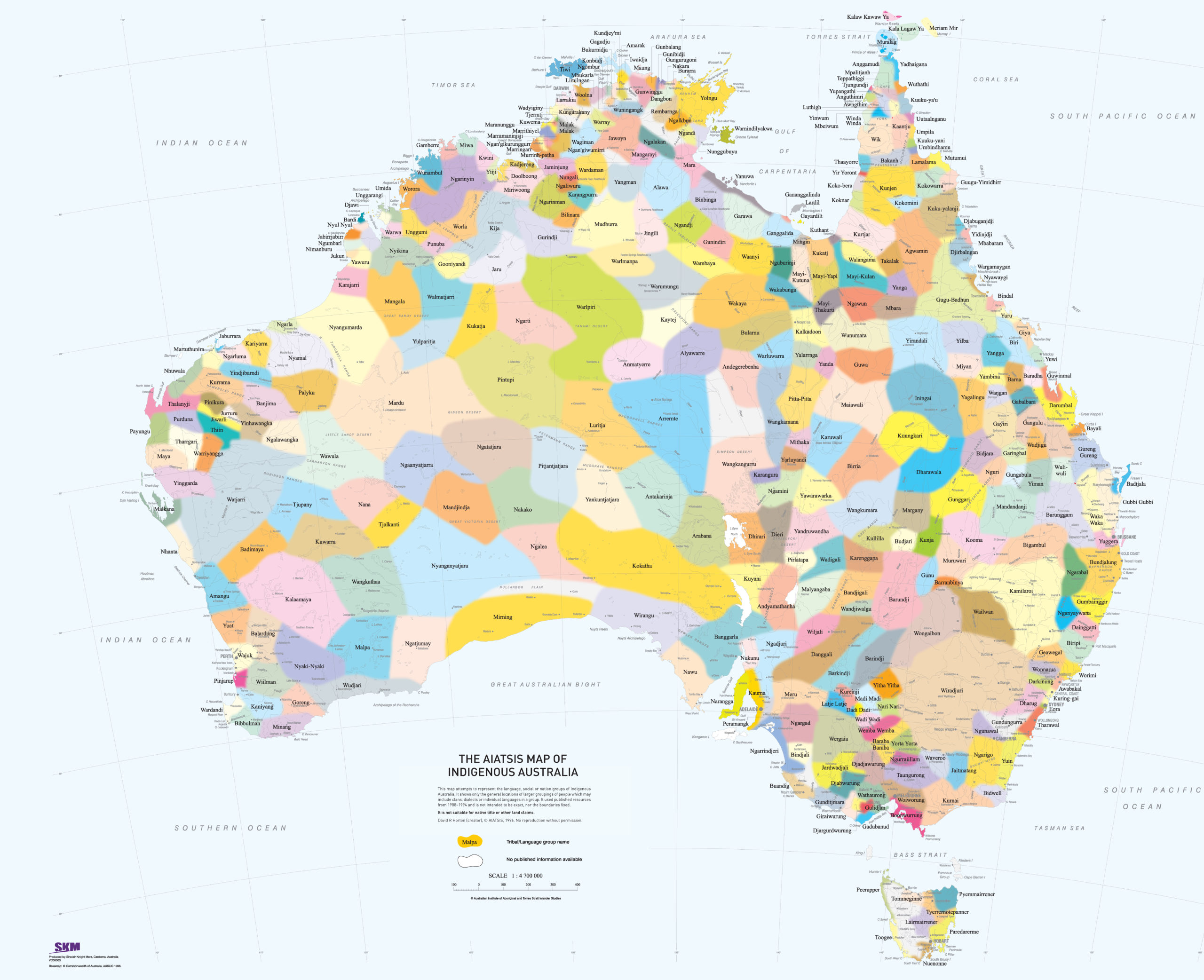
This map attempts to represent the language, social or nation groups of Aboriginal Australia. It shows only the general locations of larger groupings of people which may include clans, dialects or individual languages in a group. It used published resources from the eighteenth century-1994 and is not intended to be exact, nor the boundaries fixed. It is not suitable for native title or other land claims. David R Horton (creator), © AIATSIS, 1996. No reproduction without permission. To purchase a print version visit: https://shop.aiatsis.gov.au/




ALIVE Next Generation Researcher Network Application Form Click here
For University based research higher degree students, early/mid-career mental health researchers
ALIVE Lived Experience Research Collective Application Form Click here
For University and community based lived-experience or carer-focused mental health researchers at all career stages
ALIVE Collective Application Form Click here
For any individuals or organisations with a general interest in supporting the special initiative in mental health
ALIVE Implementation and Translation Network (ITN) Application Form Click here
For sector, service delivery organisations in mental health serving people across the life course and priority populations
If you have a general enquiry about The Alive National Centre for Mental Health Research Translation, please submit an enquiry below